
Aims
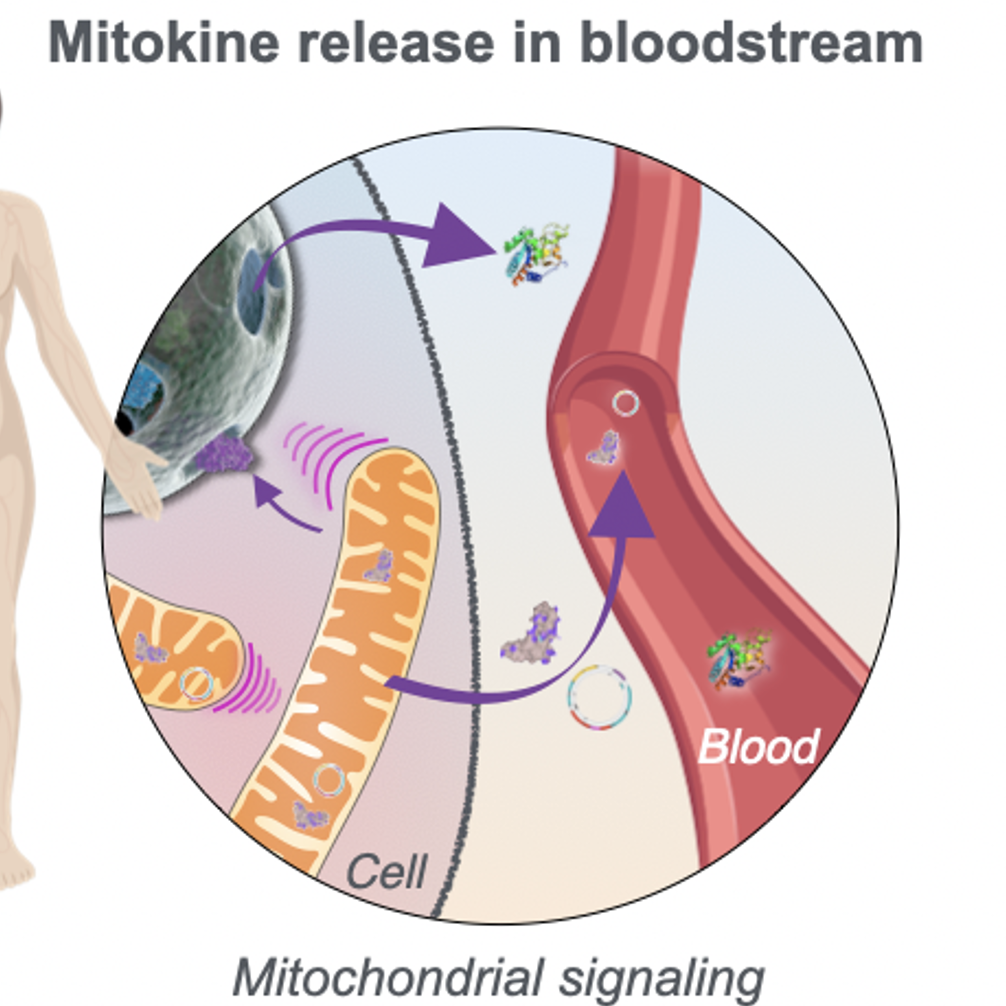
By carefully studying the spatiotemporal dynamical patterns of communications between mitochondria, we aim to ultimately quantify energetic disturbances years before they manifest on a scan or in blood work into disease.
Highlights
- We recently examined the association between multiple features of mitochondrial health and stress-related behaviors in mice with diverse behavioral phenotypes
- Multi-slice network analysis applied to our brain-wide mitochondrial dataset identified three large-scale networks of brain regions with shared mitochondrial signatures.
- Mito-based networks also overlap with regional gene co-expression and structural connectivity, thereby providing convergent multimodal evidence of mitochondrial functional organization anchored in gene, brain and behavior.
Funding
Philanthropic support
Papers from this project
Brain mitochondrial diversity and network organization predict anxiety-like behavior in male mice
Rosenberg A., Saggar M., Rogu P., Sandi C., Dumitriu D., Anacker C., Picard M. Nature Communications (2023)
Rosenberg A., Saggar M., Rogu P., Sandi C., Dumitriu D., Anacker C., Picard M. Nature Communications (2023)
Mouse brain-wide mitochondrial connectivity anchored in gene, brain and behavior.
Rosenberg A., Saggar M., Rogu P., Limoges A. W., Sandi C., Mosharov E. V., ... & Picard M. BioRxiv (2021)
Rosenberg A., Saggar M., Rogu P., Limoges A. W., Sandi C., Mosharov E. V., ... & Picard M. BioRxiv (2021)